Protecting and restoring waterscapes on the Agulhas Plain
Close to the southern tip of Africa, people and wildlife depend on an intricate and highly irreplaceable water network.
The Nuwejaars wetlands, and the rivers and underground water arteries that feed them, are at the heart of this network.
A group of worried landowners and Agulhas Plain residents in South Africa saw how these wetlands started disappearing. And how nature and people suffered.
And so we formed the Nuwejaars Wetlands Special Management Area.
Today 26 landowners and the town of Elim work together over 47,000 hectares on private land in the Overberg region, to protect our water systems and the biodiversity-rich landscapes all around them. We’re creating a connected landscape where wetlands, wildlife and fynbos are protected and restored, while supporting local livelihoods.
Making the ultimate commitment for nature
We’ve committed to conservation and sustainable farming by signing title deed restrictions. That means that we’ll forever protect this biodiversity hotspot, while still supporting food security in South Africa through our sustainable farming practices.
We achieve this through our not-for-profit company, called the Nuwejaars River Nature Reserve. The goal? To build one functioning ecosystem where nature can thrive, wetlands can recover and people can benefit through green employment opportunities.

CONSERVE
EDUCATE
INSPIRE
You’ve got to see this area for yourself.
If you love the outdoors, the Nuwejaars Wetlands Special Management Area (NWSMA) is a must-visit, offering a special natural world – including threatened animals and Critically Endangered fynbos and renosterveld. It’s a paradise for birders, with the Agulhas Plains birding project identifying more than 300 species. There are a range of places to overnight – from more rustic and private accommodation, to luxurious homes and cottages. The Nuwejaars Wetlands SMA members include wineries in the Agulhas Wine Triangle.

Our Nuwejaars Wetlands Wildlife Guided Tours
Join our Nuwejaars Wetlands Wildlife Guided Tours, close to Africa’s southernmost tip – and discover a rewilding conservation landscape where nature is flourishing. Join our trained guide on our game-viewing vehicle through hidden wetlands alive with Buffalo, Hippo, Rau Quagga, rich birdlife and much more.
This exclusive experience is a dream for photographers and nature lovers alike, on a tour filled with nature surprises along the way. End your sunset tour with a glass of cool-climate wine at a breathtaking Hippo lookout, watching the sun set over the lake.
Tips: Be sure to bring your camera, binoculars, walking shoes and maybe your jacket to stay warm when our cool ocean winds blow.
For groups of 3 people or fewer, or families (2 adults & 2 children), contact Dylan to book: +27 (0)79 056 5902 or email: book@nuwejaars.com.
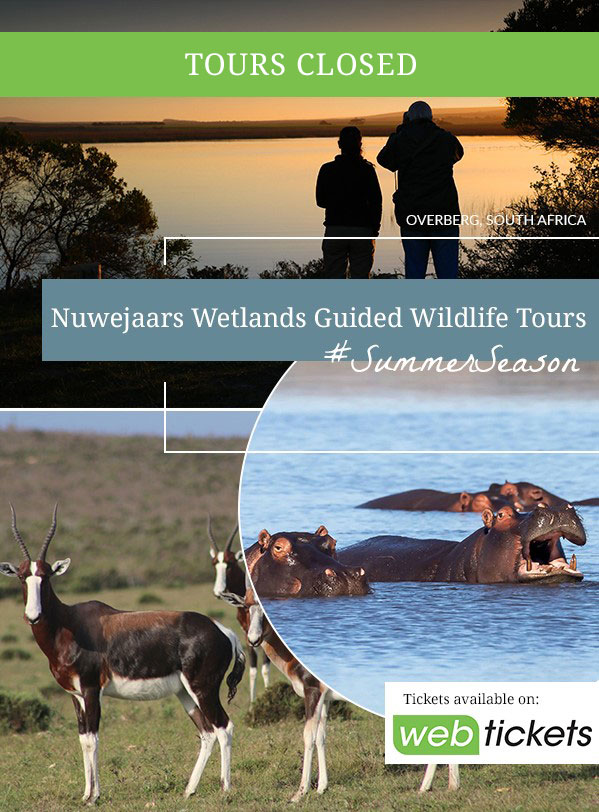
Tours CLOSED
Sunset Wildlife Tour
(R600/person, R250 for children (aged 3 to 16); toddlers free)
Meet at the Black Oystercatcher at 5pm, for a 2-3-hour trip to a lovely, secretive lake, including a glass of wine at this sunset viewpoint. Hippos live in this lake, and could pop by for a visit (this trip is overseen by our trained guide).
Booking is essential
book@nuwejaars.com
079 056 5902
Why is the Agulhas Plain so important?
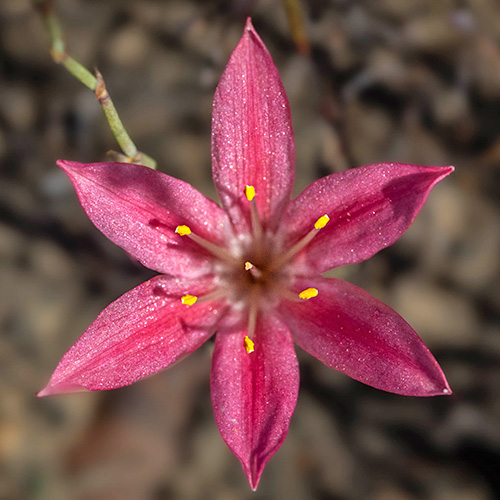
The Nuwejaars River and wetlands are at the heart of our NWSMA. In the natural landscape in between you’ll find special – and very threatened – fynbos and renosterveld, part of the Cape Floral Kingdom.
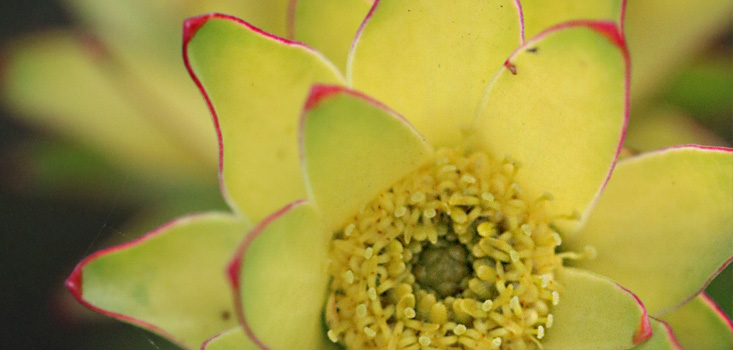
That includes Critically Endangered Agulhas Sand and Agulhas Limestone Fynbos, as well as Endangered Elim Ferricrete Fynbos. It’s home to plant species found nowhere else in the world, including newly discovered species.
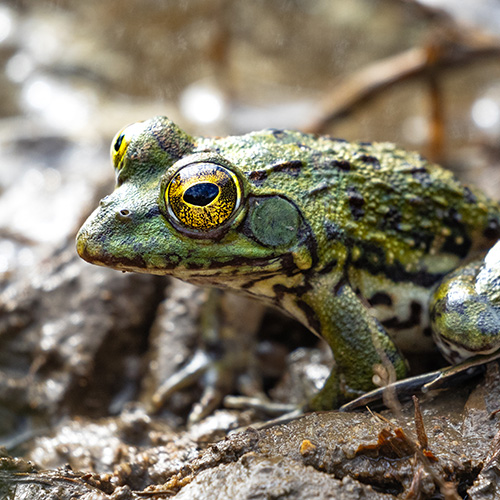
This habitat also gives life to globally threatened species. Critically Endangered Micro Frogs, and freshwater fish species facing extinction, including Heuningnes redfins, occur here. Birds like the Southern Black Korhaan, African Marsh Harrier, Agulhas Long-billed Lark and Fynbos Buttonquail also thrive here.
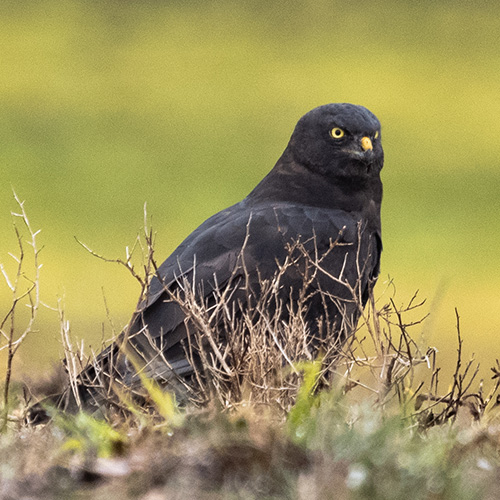


That’s why the Nuwejaars Wetlands Special Management Area forms part of an Important Bird and Biodiversity Area, as well as a Critical Biodiversity Area. These rivers are also designated NFEPA rivers (National Freshwater Ecosystem Priority Areas).
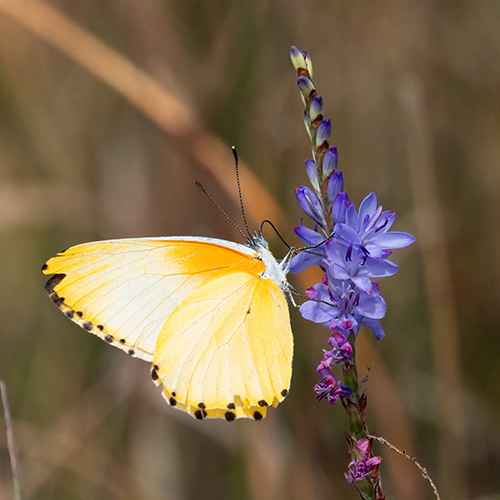
The Nuwejaars Wetlands Special Management Area is the original home of the Bontebok – once nearly extinct. Today it’s listed as Vulnerable, and is still in need of protection.
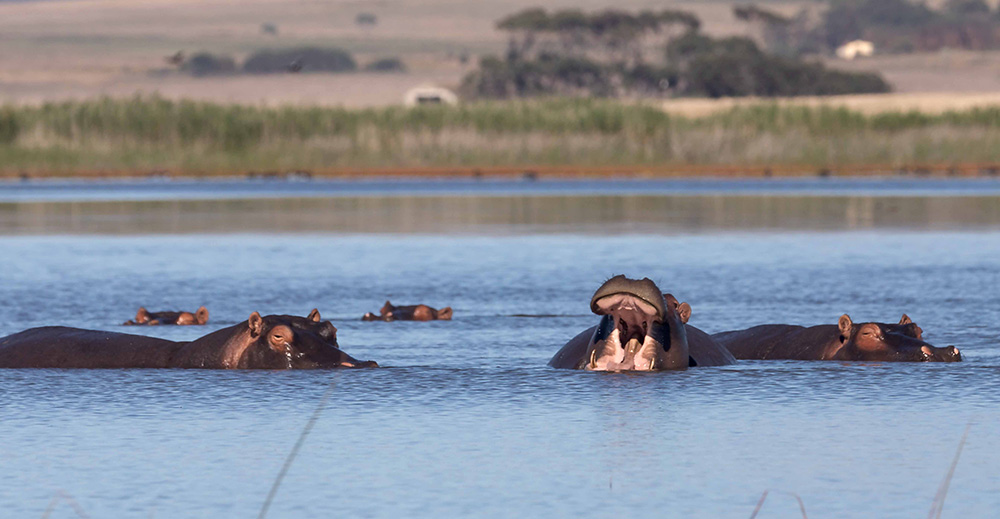
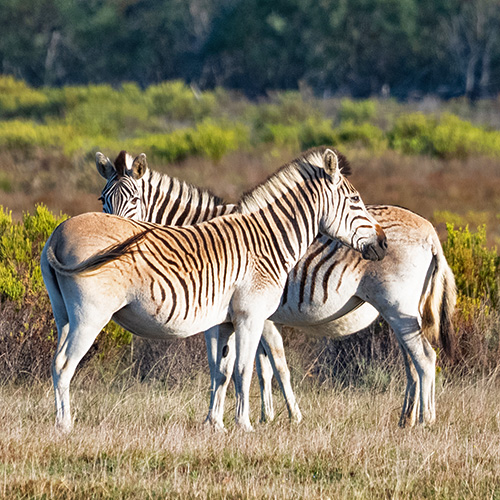
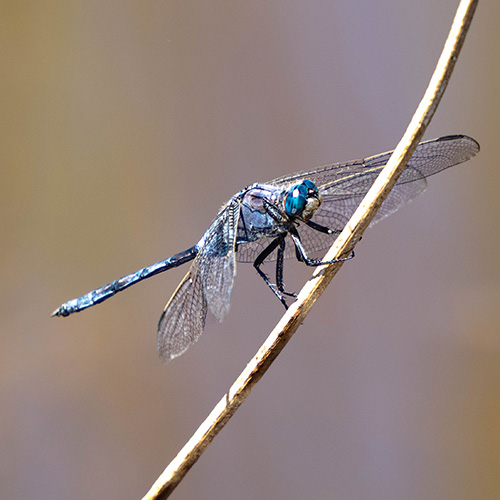

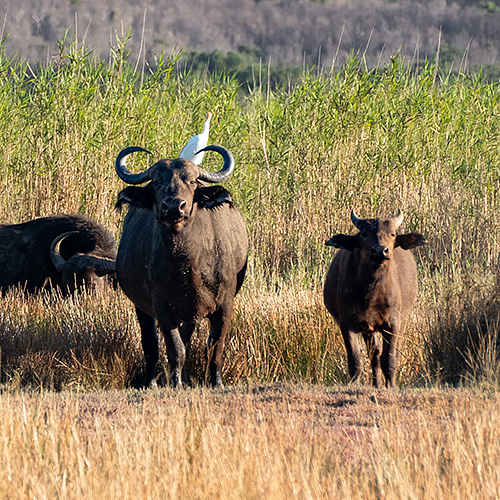
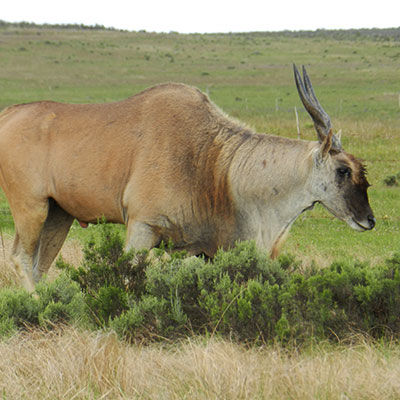
We’ve also reintroduced Buffalo, Hippo and Hartebeest – which once flourished on the Agulhas Plain but became locally extinct in past centuries.

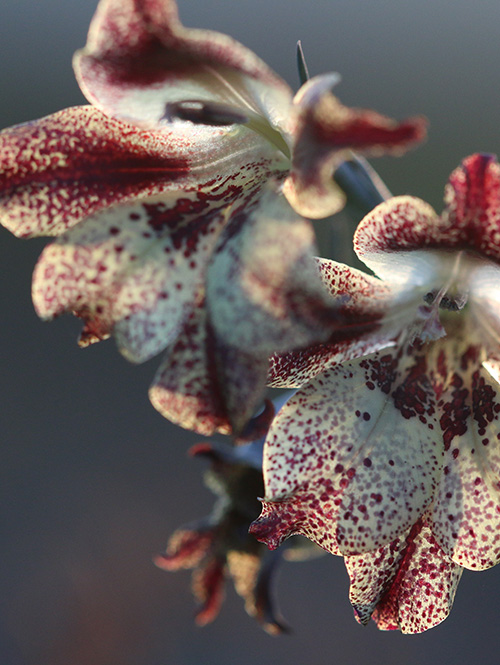

Come and hike on the Nuwejaars Wetlands
A new walking trail has been launched on the Nuwejaars Wetlands Special Management Area. The easy 4.2km African Marsh Harrier Trail starts at Zoetendal Vineyards close to the town of Elim, and leads you through the wetlands, over the Nuwejaars River, to a number of hidden-away birding spots. And you never know what you could see along this route, including the wonderful wetlands life, such as the miniature Micro Frog.
Conservation Highlights

What does it take to care for 47 000 hectares?
What does it take to keep a conservation landscape functioning, day after day? It takes people.
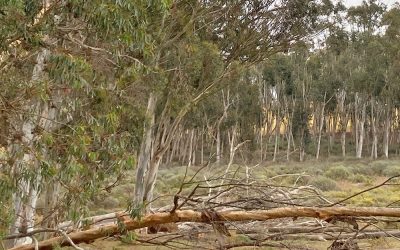
What happens after the tree comes down?
Once an invasive alien tree is felled in the pristine wetlands at Africa’s southernmost tip, the story isn’t over. In fact, it’s only just beginning.
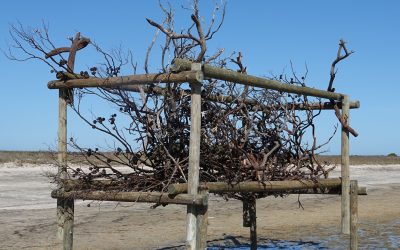
Stitching together a landscape through corridors
How WWF South Africa support is helping rebuild corridors for birds, biodiversity and people.

Conserving nature and knowledge in the Nuwejaars Wetlands
Long before modern conservation efforts, people living along the banks of the Nuwejaars River relied on the wetlands not just for water, but for many of its natural resources.

Unexpected find: Special freshwater mussel in the Nuwejaars Wetlands
The Nuwejaars River and Wetlands have enabled a significant range expansion for a freshwater mussel known as the Cape River Mussel.

To protect fynbos, you first need to know it
The fynbos of the Nuwejaars Wetlands is home to species found nowhere else on Earth. But to protect this extraordinary biodiversity, it’s vital to first understand it – to know which
Every day we ...
Develop nature opportunities
Sustainable business for conservation
Objective 4: Unlocking nature’s value through responsible development
Practice sustainable agriculture
Sustainable agriculture in harmony with nature
Objective 5: Developing a best practice model for eco-friendly farming
Showcase the area
Communication, marketing & awareness
Objective 6: Building support for conservation through outreach and education




We work with




We work with